Table of Contents
- – Understanding the Trauma-Eating Problem Link
- – Brainspotting: Accessing Trauma With Visual Ha...
- – Accelerated Resolution Treatment: Rapid Trauma...
- – Specialized Injury Therapy for Narcissistic Ab...
- – Integrating Anxiety Treatment with Eating Prob...
- – Discovering Specialized Treatment: What to Loo...
- – The Course Ahead: Integrated Recovery
Brainspotting
When conventional talk treatment stops working to address the deep-rooted trauma underlying eating problems, specialized therapeutic techniques can use advancement recovery. For people having problem with binge eating disorder, stress and anxiety, or the aftermath of conceited misuse, cutting-edge trauma-focused therapies are improving recuperation end results in profound methods.
Understanding the Trauma-Eating Problem Link

The partnership between traumatic experiences and disordered consuming patterns runs much deeper than many understand. Research regularly shows that individuals with binge eating condition frequently have backgrounds of complicated trauma, including psychological abuse, conceited partnerships, and chronic stress and anxiety. The mind's response to unrefined trauma usually manifests via attempts to manage overwhelming feelings via food-- producing cycles that traditional dietary techniques alone can not break.
Brooke is fantastic! The hardest thing about finding a counselor is making sure that you and that person are a good fit, after having worked with Brooke for some time now it's hard to imagine that she wouldn't be a good fit with anyone that reaches out to her. She is easy to talk to, comforting caring and compassionate.
Injury doesn't simply live in our memories. It comes to be inscribed in the body and nerve system, triggering automated actions that drive compulsive habits. This neurological truth clarifies why willpower and dish strategies often fall short without resolving the underlying injury style. Reliable therapy needs approaches that gain access to and reprocess these deeply saved stressful experiences at their neurological resource.
Brainspotting: Accessing Trauma With Visual Handling
Brainspotting represents one of one of the most innovative advancements in trauma treatment over the past twenty years. This method identifies that where we look influences just how we really feel-- and specialists learnt brainspotting usage this sensation to help clients access and procedure terrible memories kept in subcortical mind regions.
Throughout brainspotting sessions, specialists help clients identify details eye placements that correlate with stressful activation in the body. By preserving focused interest on these "" brainspots"" while refining difficult memories or sensations, clients can release injury that verbal treatment can not reach. For individuals with binge eating problem, this technique confirms specifically useful since consuming disorders usually create as coping systems for injuries that precede language or aware memory.
The somatic emphasis of brainspotting makes it particularly reliable for trauma survivors whose bodies have found out to utilize food for psychological regulation. As opposed to intellectually recognizing injury, customers experience straight resolution of the nerve system dysregulation that drives uncontrollable eating patterns.

Accelerated Resolution Treatment: Rapid Trauma Handling
Accelerated Resolution Therapy (ART) provides another powerful tool for trauma survivors, especially those tired by years of handling without development. This evidence-based approach incorporates elements of eye activity therapy with voluntary image replacement methods to aid clients settle stressful memories in incredibly couple of sessions-- typically in between one and 5.
What identifies ART from various other injury treatments is its concentrate on altering how terrible memories are kept without needing clients to vocally state uncomfortable information. For survivors of narcissistic misuse that might feel shame or self-blame around their experiences, this facet of ART therapy offers vital mental safety and security. Clients can recover without re-traumatization through comprehensive storytelling.
The therapy functions by utilizing reciprocal eye activities to facilitate the mind's all-natural processing systems while the customer concentrates on stressful photos or sensations. With guided visualization methods, customers then replace traumatic images with more adaptive images, efficiently reprogramming how memories are stored and accessed. This technique has revealed certain guarantee for individuals whose eating disorders created as actions to partnership injury or emotional misuse.
Specialized Injury Therapy for Narcissistic Abuse Healing
Narcissistic abuse produces a distinct type of complex injury that typical treatment techniques frequently struggle to address properly. The gaslighting, manipulation, and systematic erosion of self-regard intrinsic in conceited relationships require specific restorative understanding. Numerous survivors create eating conditions as they attempt to restore control in relationships where their reality has been consistently refuted or distorted.
Trauma-informed therapists that focus on conceited abuse recovery recognize that healing needs greater than processing specific occurrences. Survivors need assistance reconstructing their sense of reality, reconnecting with their instinct, and creating healthy boundaries-- all while dealing with the physiological trauma responses that may show up as disordered consuming, chronic anxiousness, or hypervigilance.
Efficient therapy for egotistical abuse survivors incorporates psychoeducation concerning control tactics with somatic approaches that aid customers reconnect with their body's wisdom. This mix shows necessary due to the fact that narcissistic misuse particularly targets victims' rely on their very own understandings and sensations-- the actual sources required for intuitive eating and psychological regulation.
Integrating Anxiety Treatment with Eating Problem Therapy
Anxiety and consuming disorders exist in a bidirectional connection, each intensifying the various other in self-reinforcing cycles. Binge eating episodes usually adhere to durations of intense anxiety, as food offers short-lived alleviation from frustrating nerves activation. The results of bingeing usually causes more stress and anxiety, embarassment, and physiological tension-- bolstering the cycle.
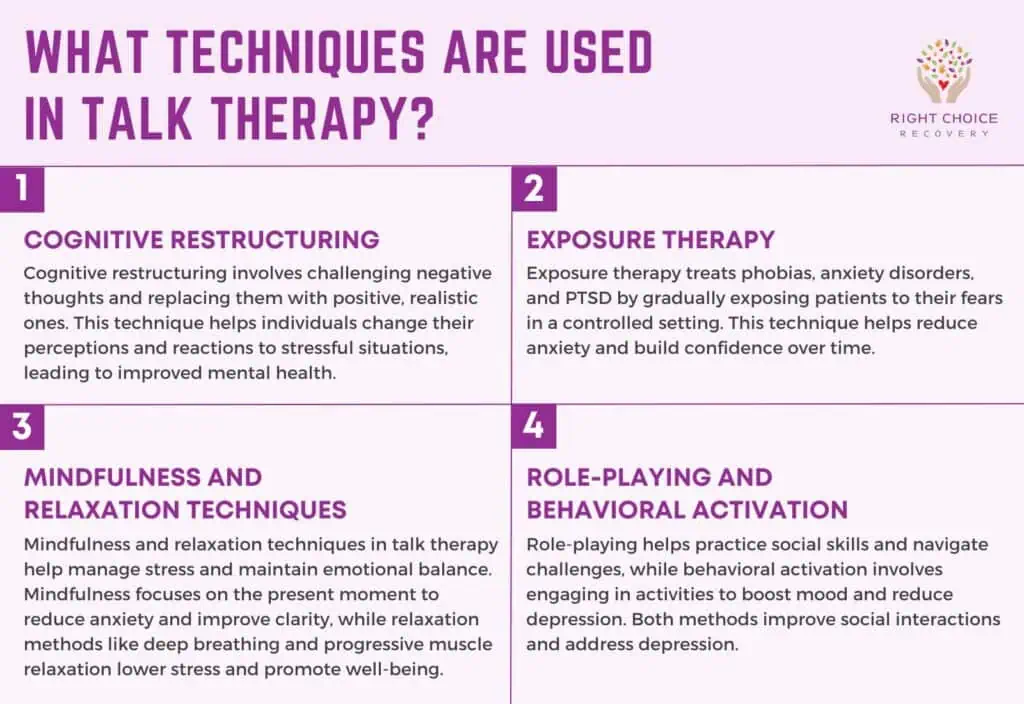
Comprehensive anxiousness therapy within trauma therapy addresses these interconnected patterns at several levels. Cognitive approaches assist clients identify and challenge anxiety-driven thought patterns, while somatic techniques educate nerve system policy abilities that decrease the requirement for food-based coping. Exposure-based interventions slowly boost clients' ability to tolerate unpleasant feelings without transforming to binge consuming.
The most reliable anxiousness therapy for eating disorder recuperation recognizes that trying to remove stress and anxiety completely is both impossible and counterproductive. Rather, therapy concentrates on creating a healthier partnership with anxiety-- finding out to experience it as information instead of emergency situation, and building self-confidence in one's capacity to ride psychological waves without numbing via food.
Discovering Specialized Treatment: What to Look For
Selecting a therapist or treatment facility for trauma and eating problem healing needs cautious consideration. One of the most efficient service providers provide a number of key elements:
- Trauma-informed treatment that acknowledges eating problems as flexible reactions to frustrating experiences rather than plain behavior problems
- Specialized training in evidence-based injury handling techniques like brainspotting or ART treatment
- Recognizing of complicated trauma discussions including egotistical misuse and developmental injury
- Combination of nervous system law methods along with cognitive and behavioral methods
- Recognition that healing happens in relationship, needing restorative attunement and safety
- Adaptability to adjust therapy pace and techniques to private nerves ability
Carriers like Ebb and Circulation Therapy in Seattle exemplify this comprehensive method, providing specialized trauma treatment that attends to the detailed partnerships in between past experiences, present consuming patterns, and total psychological well-being. Their focus on evidence-based methods combined with deep understanding of trauma's physiological impacts creates problems for authentic transformation instead than sign administration alone.
Binge eating disorder treatmentThe Course Ahead: Integrated Recovery
Recuperation from trauma-related eating problems requires patience, specialized assistance, and approaches that honor the extensive methods trauma forms both mind and body. While the journey demands courage and commitment, the assimilation of ingenious injury treatments supplies hope for recovery that deals with origin instead of surface habits.
For individuals prepared to relocate beyond the limitations of standard techniques, seeking specialists learnt brainspotting, ART therapy, and egotistical misuse healing can open up brand-new pathways to freedom from both traumatic pasts and disordered eating patterns. The brain's exceptional capacity for recovery, when supported by appropriate healing treatment, makes full recuperation not just feasible but significantly possible.

Table of Contents
- – Understanding the Trauma-Eating Problem Link
- – Brainspotting: Accessing Trauma With Visual Ha...
- – Accelerated Resolution Treatment: Rapid Trauma...
- – Specialized Injury Therapy for Narcissistic Ab...
- – Integrating Anxiety Treatment with Eating Prob...
- – Discovering Specialized Treatment: What to Loo...
- – The Course Ahead: Integrated Recovery
Latest Posts
EMDR Intensives and the Mind-Body Connection in Midtown Manhattan
Neural Adaptation in PTSD therapy
Tapping Methods in EMDR
Navigation
Latest Posts
EMDR Intensives and the Mind-Body Connection in Midtown Manhattan
Neural Adaptation in PTSD therapy
Tapping Methods in EMDR